CALL THE CAR EXPERTS

CALL THE CAR EXPERTS

admin

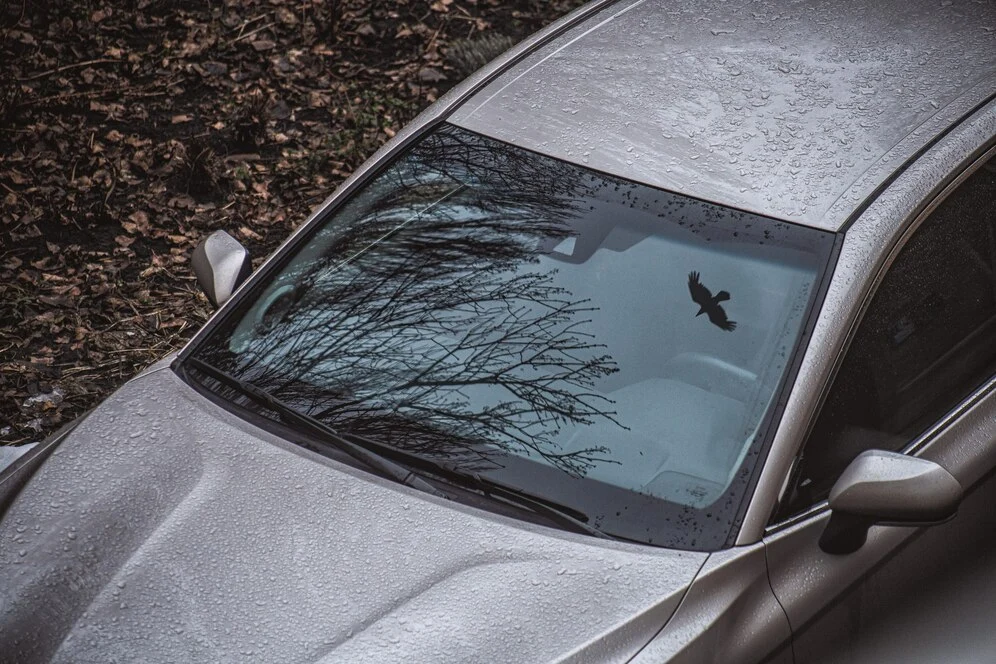
Parked car with a tree and bird reflected in the windshield

Why Tree Sap and Bird Droppings Are a Threat to Your Auto Glass

When you think about threats to your car’s windshield, your mind probably jumps to flying debris on the highway, hailstorms, or even vandalism. But what most people don’t realize is that two of the biggest culprits are far more common—tree sap and bird droppings.  These may seem like harmless annoyances, but they actually pose a serious risk to your auto glass. While the immediate visual impact of sap and droppings might be minimal, the long-term consequences of neglecting them are far more substantial, and understanding these consequences is key to protecting your windshield. Ignore them long enough, and you could find yourself in need of help from auto glass experts. Here’s why. The Sticky Problem with Tree Sap If you’ve ever parked under a tree for some shade on a hot day, you may have returned to find your car covered in small, sticky spots. That’s tree sap, and while it may not seem like a big deal, it can cause serious damage if left untreated. Tree sap is a natural resin that oozes from trees, and when it lands on your windshield, it hardens over time. As it solidifies, it creates a stubborn layer that clings aggressively to the glass surface. You may try scraping it off with your fingernail or windshield wipers, but that’s where the problem worsens. You may not see it, but the hardened sap can create microscopic scratches on the glass, weakening its integrity over time. Worse yet, heat makes the issue more severe. If you leave sap sitting on your windshield for too long, the sun will essentially bake it onto the glass, making removal nearly impossible without using strong solvents. If you attempt to remove it improperly, you risk causing permanent damage. You might end up going on a trip for an auto glass repair in Ontario, CA or your local area because of a little sap. The Hidden Dangers of Bird Droppings Bird droppings are more than just unsightly—they’re acidic. A bird’s diet consists of seeds, berries, and insects, which makes their waste highly corrosive. When bird droppings sit on your windshield, they slowly eat away at the protective coatings on the glass. This weakens the windshield, making it more vulnerable to chips and cracks. Think of it this way: if your windshield already has minor imperfections like tiny pits from road debris, bird droppings can exacerbate the problem. The acidity weakens the glass further, making it more susceptible to shattering when exposed to sudden pressure or temperature changes. What Happens If You Ignore the Damage? You might think, “It’s just a little sap” or “I’ll clean the bird droppings later.” But procrastination can lead to bigger problems. Once your windshield’s structural integrity is compromised, even a small pebble hitting your windshield at highway speeds can result in a full-blown crack. At that point, repairs may not be an option, and you’ll likely need a complete windshield replacement. This is where Crack Windshield Repair & Window Tinting’s replacement service becomes essential. If your windshield shows signs of damage from prolonged exposure to tree sap or bird droppings, don’t wait for the problem to worsen. Address it before you’re forced to deal with a costly and inconvenient situation. Protect Your Windshield Now that you understand the risks, let’s talk about prevention. While you can’t control where birds decide to relieve themselves or stop trees from producing sap, you can take steps to minimize the damage. First, be mindful of where you park. Avoid parking directly under trees, especially during warm months when sap flow is at its peak. The same goes for areas where birds tend to gather, like under power lines or in parking lots near food establishments. If you must park in these areas, consider using a windshield cover for added protection. Next, clean your windshield regularly. If sap or bird droppings land on your windshield, remove them as soon as possible. A simple wipe with a damp cloth might work if the mess is fresh. But if the sap or droppings have dried, bring out a specialized cleaner.  For tree sap, rubbing alcohol or a small amount of acetone on a microfiber cloth can help dissolve the residue. Avoid using metal scrapers since they can scratch the glass further. Meanwhile, for bird droppings, a mixture of water and vinegar or a dedicated auto glass cleaner should do the trick. Let it soak for a few minutes before gently wiping it away. Applying a rain-repellent treatment or glass sealant also creates a protective layer on your windshield, making it harder for sap and droppings to stick. Furthermore, it makes cleaning much easier, so you won’t have to struggle as much to remove stubborn spots. Finally, invest in routine windshield inspections because even with the best preventive measures, damage can still occur. Regularly inspect your windshield for signs of scratches, pits, or weakening caused by exposure to sap and droppings. If you notice any issues, don’t hesitate to seek professional help. Don’t Wait Until It’s Too Late A strong, clear windshield isn’t just about visibility—it’s about protecting you and your passengers every time you hit the road. So, while tree sap and bird droppings may seem like minor nuisances, they can cause long-term damage to your auto glass if neglected.  Undeniably, the key to maintaining a clear and strong windshield is consistent care and timely intervention. By being proactive—parking wisely, cleaning contaminants quickly, and applying protective treatments—you can extend the life of your windshield and avoid costly repairs. However, if damage has already set in, don’t risk your safety with a compromised windshield. Get in touch with the experts at Crack Windshield Repair & Window Tinting. Our technicians can assess the condition of your windshield and recommend whether repair or replacement is the best course of action.

Why Tree Sap and Bird Droppings Are a Threat to Your Auto Glass Read More »

Woman wiping her car windshield

A Car Owner’s Guide on When to Get Your Auto Glass Repaired or Replaced

Ensuring that your auto glass—whether it be your windshield, side windows, or back glass—is in optimum condition isn’t just about aesthetics, it’s also a crucial aspect of safety, visibility, and vehicle integrity. Ignoring auto glass damages can lead to worsening cracks, higher repair costs, and even legal issues if the car is deemed unsafe for driving. Therefore, it’s important to immediately get your auto glass fixed if you notice any signs of chips or cracks on its surface to avoid complications down the line. Knowing the right time to bring your vehicle to a reliable auto glass repair in Ontario CA or your local area can spell the difference between a safe, smooth drive and a hazardous journey with compromised visibility and protection. Thus, it’s up to you to regularly assess your auto glass’s condition to avoid negligence when it comes to its maintenance.  To determine whether or not it’s time to bring your car to an auto glass repair shop soon, here is a guide on some things you can check to determine the condition of your auto glass. 1. Assess the Size of the Damage One of the first things to look for when assessing auto glass damage is how big the crack or chip is. Small chips, roughly the size of a coin, and cracks that are less than three inches long can usually be repaired without replacing the entire glass. However, if the damage is larger, then it may be too severe for a simple repair. In that case, replacing the entire windshield or window may be necessary to ensure the safety and integrity of your vehicle. 2. Check the Location of the Damage The location of the damage plays a big role in determining whether a repair will suffice or if a replacement is needed. For instance, if the crack or chip is directly in your line of sight, even a minor imperfection can distort vision, especially under bright sunlight or at night. This can then make driving unsafe, so replacing the windshield is usually the best option. Additionally, if the damage is near the edge of the windshield, it can weaken your auto glass’s entire structure. Cracks in these areas tend to spread faster and can compromise the windshield’s ability to protect you in case of an accident. If you spot damage in these areas, it’s best to take your car to a repair shop right away. 3. Look for Spreading Cracks A small crack might not seem like a big deal at first, but it can quickly spread across your windshield due to factors like road vibrations, sudden temperature changes, or even slamming your car door too hard. Cracks that are left unrepaired tend to spread and become more expensive to fix as well. If you notice a crack getting bigger over time, then it’s a sign that you should have it repaired as soon as possible to prevent it from turning into a bigger issue that requires a full replacement. 4. Consider the Depth of the Damage Windshields are made of laminated glass, which consists of two layers of glass and a plastic layer in between. This design helps prevent the glass from shattering completely in case of an impact. If the damage only affects the outer layer of glass, it can often be repaired. However, if the crack is deep enough to reach the inner layers or the plastic interlayer, then the windshield’s structural integrity is already compromised and having it replaced is your safest option. Note that for side and rear windows, which are usually made of tempered glass, any damage usually requires replacement since tempered glass can shatter upon impact. 5. Consider Weather and Temperature Effects Temperature fluctuations can have a big impact on damaged auto glass. In hot weather, glass expands, which can make cracks spread more quickly. Meanwhile, in cold weather, glass contracts, making existing cracks deepen. If you’ve noticed that a small crack is growing or worsening when the weather changes, take that as a sign to have it repaired before it becomes a bigger problem. 6. Seek Professional Assessment If you’re not sure whether your windshield or windows need a repair or a full replacement, take your car to a trusted auto glass repair shop. Professionals have the right tools and expertise to assess the damage and recommend the best course of action for your vehicle. Ignoring auto glass damage for too long can also lead to more expensive repairs later, so it’s always better to get it checked sooner rather than later. Let Crack Windshield Keep Your Auto Glass in Optimum Condition When it comes to auto glass issues—whether it be small chips, edge cracks, bullseyes, star breaks, shattered glass, or other damages—the car care experts over at Crack Windshield can surely get them fixed. We take pride in our top-quality craftsmanship, quick turnaround, and affordable pricing, ensuring that customers will always be satisfied with our auto glass repair or replacement services. If you notice any damage on your auto glass, don’t hesitate to call us on (909) 484-9902 or contact us online so we can assess the issue and get it fixed right away.

A Car Owner’s Guide on When to Get Your Auto Glass Repaired or Replaced Read More »

Car Windshiel Covered by Snow due to Hailstorm

5 Tips on How to Protect Your Auto Glass from Hailstorms

For many car owners, dealing with a hailstorm is a stressful experience. One moment, the sky is clear; the next, a barrage of ice is hammering your vehicle, leaving behind dents, cracks, or even shattered glass. If you’ve ever faced the frustration of a cracked windshield after a storm, you know how costly and inconvenient repairs can be.  Fortunately, with the right precautions, you can reduce the likelihood of hail damage to your auto glass. This article will explore simple but effective ways to keep your vehicle safe, ensuring you don’t have to deal with unexpected repair bills after the next storm. Have Your Auto Glass Inspected by Pros Before a storm even hits, it’s a good idea to have your auto glass checked by professionals. Expert auto glass can help identify and address any vulnerabilities that can compromise the strength and durability of your vehicle’s auto glass, ensuring it’s in optimal condition. Small chips or cracks in your windshield, for instance, may seem insignificant. However, they can weaken the structural integrity of the glass, making it more susceptible to shattering when struck by hail. Even minor imperfections can spread under pressure, turning what could have been a simple repair into a costly replacement. Crack Windshield Repair & Window Tinting offers reliable inspection, repair, and auto glass replacement in Ontario, CA. Our team uses state-of-the-art equipment to detect the weaknesses in your auto glass and promptly repair it before it worsens. With our expertise, you can rest assured that your car windshield and windows are reinforced against hailstorms, helping you avoid unnecessary expenses and keep your vehicle safe. Install a Windshield Protector Film A windshield protector film acts as an additional layer of defense against hail and other environmental hazards. This transparent, durable film is applied directly to the windshield, reinforcing the glass and helping it absorb impact more effectively. While it won’t make your windshield indestructible, it can significantly reduce the chances of cracks or shattering when hailstones strike. In addition to hail protection, windshield films offer other benefits, such as reducing glare, blocking harmful UV rays, and preventing minor scratches. Many films are also designed to be nearly invisible, preserving the clarity of your windshield while providing an extra shield against potential damage. As such, investing in a high-quality windshield protection film is a proactive measure that can save you from expensive repairs in the long run.  Park Your Car in the Garage or Covered Area One of the simplest and most effective ways to protect your auto glass from hail is to park in a garage or any covered area whenever possible. Enclosed parking structures or even temporary shelters can provide much-needed protection against unexpected hailstorms. If you don’t have access to a garage at home, consider alternative solutions such as public parking garages, shopping mall lots, or designated covered parking areas. If you live in an area prone to frequent hailstorms, installing a carport or investing in a hail-resistant canopy could be a worthwhile investment. Being proactive about where you park can significantly reduce the risk of hail damage to your vehicle’s windshield and windows. Use a Hail Protection Car Cover When parking indoors isn’t an option, using a hail protection cover is one of the best ways to shield your auto glass from damage. These covers are designed with multiple layers of impact-absorbing materials that reduce the force of hailstones hitting your windshield and windows. Some premium options even feature air-cushioned padding to further minimize damage.  If you don’t have a dedicated hail cover, you can improvise by using thick blankets, floor mats, or even a heavy-duty tarp secured with bungee cords or duct tape. While not as effective as specialized covers, these temporary solutions can still provide a layer of protection in an emergency.  Park Facing the Wind Parking your car so that the windshield faces the direction of the wind is often a smarter choice than leaving the side or rear windows exposed. Windshields are typically made of laminated glass, which consists of multiple layers designed to withstand impact better than the tempered glass used in side and rear windows. Even though this method won’t prevent hail damage entirely, it can increase the chances of your windshield holding up better than other vulnerable areas.  Additionally, if hail is accompanied by strong winds, this positioning may help deflect some of the impact, reducing the overall damage to your auto glass. Taking a moment to park your car in the most strategic way possible can make a difference in protecting your vehicle. Hailstorms can be unpredictable, but that doesn’t mean there isn’t anything you can do to protect your vehicle. Taking the right precautions can help safeguard your auto glass and prevent unnecessary damage. That being said, visit the Crack Windshield Repair & Window Tinting contact page and fill out the form to schedule a professional windshield inspection or repair. Our experts are ready to assess your auto glass, recommend the best protective solutions, and ensure your vehicle is prepared for any weather condition.

5 Tips on How to Protect Your Auto Glass from Hailstorms Read More »

Car Wipers for Windshield Care

The Importance of Using Quality Wiper Blades for Windshield Care

A clear windshield is your first defense against the elements, and your wipers play a crucial role in keeping it that way. Unfortunately, many drivers overlook their importance by delaying replacements or neglecting maintenance altogether. Reliable wipers are essential for visibility, as it prevents accidents and even prolongs the life of your windshield.  But what makes a good wiper blade, and how can you be sure yours are doing their job? Here are some tips from the Crack Windshield Repair & Window Tinting team. Why Wiper Blades Matter Rain, snow, dirt—whatever is on your windshield, your wipers are there to clear it away. In bad weather, they’re absolutely essential. But worn-out wipers? They can be worse than useless. Streaks, skipped spots, and that awful squeaking sound can make it harder to see and become constant distractions that can put you in danger. So, think twice before choosing the cheapest wiper blades available if you’re looking to replace them. While they may save you money upfront, they often wear out quickly and can even scratch your windshield, leading to a premature trip to an auto glass repair in Ontario, CA or your local area for expensive repairs or even for a full replacement. Poorly fitting wipers or those that apply uneven pressure can leave streaks, making it harder to see. Over time, they can weaken the glass, increasing the risk of chips or cracks from road debris or extreme temperature changes. Low-quality blades also don’t hold up well in extreme conditions. Heat can make them brittle, while cold can leave them stiff and ineffective. That means you’ll be replacing them more often, which can cost more in the long run. Choosing the Right Wiper Blades for Your Car Think about how much better a good set of wipers performs. Quality wipers contour to the windshield, clearing it smoothly and efficiently. Many are made with durable materials like advanced rubber or silicone that’s built to withstand wear and tear. Upgrading to better blades may seem minor, but it makes a noticeable difference in safety and performance. Silicone wipers, for instance, excel at repelling water, reducing streaks, and improving visibility during heavy rain. Some even come with built-in water-repellent coatings. Another benefit is that premium wipers are quiet, unlike cheaper options that squeak and chatter. Some are designed aerodynamically, ensuring firm contact with the windshield even at high speeds—a must for highway driving. So how do you choose the best one for your car? Start with your climate. The weather where you live should guide your choice. If you often deal with heavy rain or snow, winter wipers with aerodynamic and anti-icing features are a smart pick. These blades use built-in heating elements to prevent ice buildup, keeping them functional in harsh winter weather. If you’re in a hot, humid area, silicone or rubber wipers tend to last longer.  Size and compatibility matter, too. Not all wipers fit every vehicle, so check your owner’s manual or product specifications before buying. If you’re not sure which wipers work best with your situation, contacting local experts, like those at Crack Windshield Repair & Window Tinting, can help you find the right fit. How to Make Your Wiper Blades Last Longer Even the best wipers won’t last forever, but proper care can extend their lifespan. You can easily do so by regularly cleaning the rubber edges with a damp cloth to remove dirt and debris. Never run your wipers on a dry windshield—this causes friction and speeds up wear. Protecting them from the elements helps, too. Parking under the shade or in a garage can prevent sun damage. In winter, lifting the wipers off the windshield when parked can stop them from freezing to the glass. You might also consider applying a windshield treatment. These products make water bead up and roll off more easily, reducing strain on your wipers and keeping your windshield clearer. Signs It’s Time to Replace Your Wiper Blades Wiper blades wear out over time. Most experts suggest replacing wipers every six to twelve months, depending on usage and climate. If you drive frequently in rain or snow, you may need to replace them more often. Regular checks and timely replacements keep your windshield clean and your vision unobstructed. Watch out for these signs as well:  If you notice any of these signs, swap out your wipers as soon as possible to ensure a clear view and continued safe driving conditions. Don’t Overlook Your Wiper Blades Wiper blades might not seem like a big deal, but they’re essential for driving safety. High-quality wipers improve visibility, reduce the risk of accidents, and protect your windshield from damage. Don’t wait until your wipers fail during a storm or similar bad weather. Investing in a good pair is an easy and affordable way to enhance driving safety. Make it a habit to inspect them regularly and replace them when needed. Next time you’re at an auto glass repair shop, take a moment to check your wiper blades.  If your wipers have damaged your windshield, schedule an appointment with Crack Windshield Repair & Window Tinting today. A clear windshield makes all the difference.

The Importance of Using Quality Wiper Blades for Windshield Care Read More »

Anti-glare window tint

The Role of Anti-Glare Treatments in Enhancing Windshield and Auto Glass Performance

Driving should be a smooth and stress-free experience, but glare from headlights or the sun can make visibility a real challenge. Whether you’re driving at night, during sunrise, or on a bright afternoon, excessive glare can create dangerous blind spots and cause distractions that can make driving hazardous. For many drivers, reducing glare is not just about convenience—it’s a critical safety concern. At Crack Windshield Repair & Window Tinting, we understand the importance of having an unobstructed view of your windshield for safe driving. From window and windshield repair to auto glass replacement in Ontario CA, our team is devoted to providing high-quality services for safer and more comfortable driving experiences. As part of our commitment to driver safety, we delve into the crucial role that anti-glare treatments play in optimizing windshield and auto glass performance. Learning about these treatments can help you make better-informed decisions in enhancing your vehicle’s safety and comfort. Enhancing Clarity for Safer Driving A clear windshield is essential for safe driving, especially in low-light conditions or during inclement weather. Excessive glare caused by bright sunlight, oncoming headlights, or streetlights reflecting off wet pavement makes it harder to judge distances or spot obstacles on the road. In some cases, even minor glare can create dangerous blind spots that increase the risk of accidents. Anti-glare treatments help mitigate these dangers. By reducing the intensity of reflected light and scattering excessive light, these treatments provide a clearer view of the road ahead, improving safety in both daytime and nighttime driving conditions. This clearer view enables drivers to maintain better focus and react more quickly to changing conditions, especially in challenging weather, where fog, rain, or wet surfaces can amplify glare and make visibility even more difficult. Reducing Eye Strain for a More Comfortable Drive The human eye is constantly adapting to changing light conditions, but prolonged exposure to glare can accelerate fatigue and discomfort. Glare causes the eyes to squint and repeatedly adjust to fluctuating brightness, leading to tension and strain. Over time, this continuous strain can result in headaches, blurred vision, and reduced concentration— increasing the likelihood of mistakes or delayed reaction times while on the road. Anti-glare treatments help reduce this visual stress by softening intense light and creating a more balanced level of brightness. Because they minimize harsh reflections, these treatments allow the eyes to adjust more naturally to changing light conditions, reducing discomfort and promoting better focus. This makes driving more comfortable, especially during extended trips or in high-glare environments like highways and open roads. Providing Better Protection Against Heat and Sun Damage Anti-glare treatments offer benefits beyond glare reduction since they also contribute to driver and passenger comfort. Glare is often accompanied by excessive heat buildup inside the vehicle, as sunlight streaming through the windshield can quickly raise cabin temperatures. Furthermore, prolonged exposure to natural light can also accelerate wear and tear on the interior, causing dashboards, seats, and other surfaces to fade, crack, or deteriorate over time. With anti-glare treatments, especially those with UV-blocking properties, your windshield can block harmful UV rays, providing an added layer of protection against UV damage—as well as reducing heat and damage to your vehicle’s interior. While anti-glare coatings improve overall driving comfort, window tinting can further enhance UV defense by blocking a significant portion of harmful rays. Together, these solutions contribute to a cooler, more comfortable ride while extending the lifespan of interior materials. Protecting Auto Glass Integrity Beyond providing visibility, auto glass serves as a crucial barrier against the elements. However, constant exposure to environmental factors like dust, road debris, and harsh weather can lead to minor scratches and surface wear over time. While these imperfections may seem insignificant at first, they can accumulate and eventually affect the auto glass integrity. Some anti-glare coatings help reinforce auto glass surfaces by reducing micro-scratches and preventing dirt buildup, which all contribute to weakening their structural integrity. Keeping your auto glass in optimal condition minimizes the risk of cracks and chips, ensuring long-term clarity and longevity. This added durability pairs well with paint protection film, which shields other areas of the vehicle from road debris and environmental wear. Working Seamlessly with Other Automotive Enhancements A well-maintained windshield and auto glass is just one part of a fully optimized vehicle. Anti-glare treatments work best as part of a comprehensive approach to vehicle enhancement, complementing other protective and aesthetic upgrades. For example, while window tinting reduces glare from side windows and ceramic coatings protect exterior surfaces, anti-glare treatments maintain windshield or auto glass clarity for optimal visibility in all lighting conditions. For those who invest in vehicle customization, the synergy between aesthetics and functionality is key. Vinyl wraps, for instance, offer a sleek and personalized look, while anti-glare treatments maintain the windshield or auto glass clarity, ensuring that style and safety are both prioritized. By combining anti-glare treatments with other enhancements, drivers can create a vehicle that is not only visually appealing but also optimized for comfort, durability, and road performance. The result is a cohesive and enhanced driving experience.Glare reduction is an essential component of safe and comfortable driving, and as discussed in this article, anti-glare treatments provide a practical solution for improving windshield and auto glass performance. Ready to experience the benefits of enhanced visibility and auto glass protection? We at Crack Windshield Repair & Window Tinting are here to help. Contact us today to explore the best solutions tailored to your needs.

The Role of Anti-Glare Treatments in Enhancing Windshield and Auto Glass Performance Read More »

Man Driving a Car

How to Keep Your Windshield Safe from Road Debris

Your windshield is basically your car’s first line of defense on the road, but flying debris can turn it into a pricey problem fast. A piece of debris that’s moving at high speeds as you drive down the road can easily chip or crack your windshield glass, which can lead to costly repairs or even a full replacement. From tiny pebbles kicked up by other vehicles to random junk from construction zones, taking a few precautions can save you a ton of trouble and money when it comes to keeping your windshield in top shape.  This article will explore some practical tips on how to minimize windshield damage from debris and other small objects while driving. Keep Your Distance One of the easiest ways to protect your windshield? Keep some space between you and the car in front of you—especially if it’s a big truck or a construction vehicle. These vehicles throw up more rocks and debris than regular cars, significantly increasing the risk of windshield damage. A good rule of thumb is to follow at least three seconds behind, but giving yourself even more room on highways or gravel roads can help reduce the risk. Staying alert to road conditions and adjusting your speed can also make a big difference.  And if a chip or crack does happen, go for high-quality auto glass repair in your local area. Getting it fixed at once prevents a small issue from turning into a full windshield replacement.   Steer Clear of Construction Zones and Bad Roads Construction sites are hotspots for loose gravel, nails, and all kinds of debris that can chip or crack your windshield. If you can, take another route to avoid them altogether. If avoiding them isn’t possible, slow down. Lower speeds reduce the impact force if debris does hit your windshield. Also, watch for construction zone signs so you can prepare ahead of time and take extra precautions. Pro tip: You might also want to avoid driving near golf courses and driving ranges. Those golf balls can really do a number on your windshield.  Add Some Extra Protection with Mud Flaps and Deflectors Mud flaps aren’t just for trucks—they can help prevent rocks and dirt from flying into your windshield, no matter what you drive. Wind deflectors also help by changing airflow and reducing the chances of debris smacking your windshield. If you always drive on rough roads or highways, these simple add-ons are worth considering for long-term protection. Strategic Parking Location Parking under trees or in open lots might seem convenient, but it can put your windshield at risk. Falling branches, acorns, and other debris can cause chips or cracks before you even get behind the wheel. Whenever possible, park somewhere covered, like your garage. If that’s not an option, try to park away from overhanging trees or construction areas to avoid unnecessary risks. Don’t Neglect Your Wipers Your windshield wipers do more than clear rain—they help maintain visibility and prevent scratches. However, worn-out wipers can cause significant damage on their own. At best, they leave streaks that make it even harder to see. At worst, they cause tiny scratches that weaken the glass over time. Replacing them every six to twelve months keeps them in good shape and protects your windshield.  Pro tip: Learn how to clean your windshield properly. Using simple techniques like cleaning from the inside out and utilizing efficient tools like clay bars can ensure the cleanliness of your windshield without placing all the strain of that work on your wipers. Consider a Windshield Protection Film A windshield protection film or window tint acts like an extra shield against road debris. It offers several benefits that help maintain the integrity and longevity of the glass. One of the most important advantages is impact resistance. These films absorb and disperse the impact from road debris, reducing the risk of chips and cracks. The film protects passengers from flying shards should the glass ever shatter in an accident, reducing the risk of injury. Additionally, they provide UV protection, blocking up to 99% of harmful ultraviolet rays and keeping the windshield (and car interior) from heating up too much in the summer.  Investing in a high-quality film can extend the life of your windshield and save you money on repairs down the road. Do a little research to find the best film for your car and your driving habits. You should also check local regulations regarding windshield modifications to ensure you’re not breaking any laws. Watch Out for Sudden Temperature Changes Extreme temperature changes can weaken your windshield and make it more prone to cracks. Blasting your AC or defroster at full force, especially when it’s really hot or cold outside, puts extra stress on the glass. Instead of doing this, adjust the temperature gradually to avoid unnecessary stress on your windshield. This is especially important during seasonal transitions when temperatures fluctuate the most. Pro tip: Be careful when defrosting your windshield. Extremely low temperatures can weaken the integrity of the glass and seal.   Inspect for Minor Damage Regularly A tiny chip might not seem like a big deal, but if left untreated, it can spread and turn into a major crack. Get into the habit of checking your windshield after long drives, especially if you’ve been on highways or through construction zones. If you spot a small chip, fixing it ASAP can save you from needing a full replacement later. Bring your car to Crack Windshield Repair and Window Tinting, the best in repairing any damage caused by the frost in Ontario, California.  What to Do If Your Windshield Gets Damaged Even after taking all these precautions, windshield damage can still happen. The key is acting fast—small chips can often be repaired, but bigger cracks might mean you need a full replacement. Ignoring the problem can make it hard to see and might even be the start of structural collapse. For reliable auto glass repair in Ontario, CA, reach out to a trusted professional to

How to Keep Your Windshield Safe from Road Debris Read More »

Man driving car rear view

6 Summer Windshield Care Tips for Preventing Cracks and Heat Damage

As the summer heat intensifies, it’s important to pay attention to the condition of your vehicle, particularly your windshield. That’s because things like extreme temperatures and road debris can take a toll on your windshield, making it more susceptible to cracks or chips.  Even small chips and cracks can eventually lead to  consequences that can go beyond an inconvenience. A cracked windshield can reduce visibility, which is critical for safe driving. It can also impair the structural integrity of your vehicle, making it more vulnerable to damage in the event of an accident. In some cases, the damage might be severe enough to require a complete windshield replacement, which can be both costly and time-consuming. Fortunately, with a few preventive measures, you can protect your windshield from the heat and ensure its longevity throughout the season and beyond. Here are some essential summer windshield care tips to help keep your glass in top shape. 1. Repair Any Existing Damage Promptly One of the best ways to prevent your windshield from getting worse during the summer is to repair any existing damage as soon as possible. Small chips or cracks may seem harmless at first, but the extreme summer heat can cause them to expand quickly. The pressure from the heat causes the glass to expand, and once there’s a crack or a chip, it’s likely to worsen. If you notice any damage, get it expertly repaired before the temperatures soar. Professionals have the tools and expertise to assess the extent of the damage and provide the appropriate solution, whether it’s a simple repair for minor chips or a full replacement for larger cracks. If you live in Ontario, California, or any of its nearby communities, a quick online search for “auto glass repair in Ontario CA” can help you find various professional services that can fit the bill.  2. Park Your Car in the Shade When you park your car in direct sunlight, it can heat up the interior and harm your windshield. As mentioned previously, heat expands the glass, which increases the likelihood of cracks forming. Additionally, the sun’s UV rays can weaken the glass over time. To prevent this, always try to park your car in the shade. Whether it’s under a tree, in a parking garage, or using a carport, shade can help keep your windshield cooler. 3. Avoid Extreme Temperature Changes Sudden temperature changes can also be hard on your windshield. For instance, when you turn on the air conditioning in a hot car, the cold air can cause the glass to contract, while the heat from the outside causes it to expand. This sudden change in temperature puts stress on the glass and can lead to cracks. If you want to prevent this kind of issue, try to avoid cranking the air conditioning up immediately after getting into a hot car. Instead, let the vehicle cool down gradually before adjusting the temperature. This will allow the windshield to adjust to the changing environment more slowly, reducing the likelihood of thermal stress. 4. Be Cautious When Washing Your Car Washing your car can help maintain its appearance. However, you must be careful when it comes to cleaning your windshield during the summer. Using extremely hot or cold water on your windshield can cause thermal shock, which leads to cracks. So, avoid exposing your windshield to rapid temperature change. This means you should wash your car during cooler hours, such as early mornings or late evenings, when the temperature is lower. Also, be sure to use lukewarm water and avoid spraying cold water directly on the hot windshield. Make sure to use soft microfiber towels or a gentle cloth to clean the surface, as abrasive materials can scratch and weaken the glass. 5. Maintain a Safe Distance to Prevent Road Debris Driving behind large vehicles like trucks, buses, or construction vehicles can also expose your windshield to road debris, such as rocks, gravel, or dirt. These small projectiles can easily chip or crack your windshield, especially when traveling at high speeds. To minimize this risk, always maintain a safe distance from larger vehicles. Giving yourself enough space allows you to react in case of debris on the road. Additionally, if you notice a construction zone or a particularly dusty road, slow down and be extra cautious. 6. Use a Windshield Protector or Cover During peak summer months, the sun can be harsh on your car’s windshield, which can lead to potential damage from UV rays and extreme heat. A simple yet effective solution is to use a windshield protector or cover. These are designed to shield your glass from the sun’s harmful effects and reduce the heat buildup inside the car. Windshield covers are available in a variety of materials, including reflective ones that block UV rays. This extra layer of protection can help keep your windshield from overheating and protect it from any potential damage caused by exposure to direct sunlight. Taking care of your windshield during the summer is crucial. Consider following these simple tips to significantly reduce the risk of cracks and heat damage. Moreover, don’t wait for your windshield to develop major issues. Stay proactive, and protect your windshield with a little extra care this summer. After all, a well-maintained windshield isn’t just about aesthetics—it’s about ensuring clear visibility and the safety of everyone in the car.

6 Summer Windshield Care Tips for Preventing Cracks and Heat Damage Read More »

Woman Defrosting her Car Windshield

5 Proper Defrosting Techniques for Windshield Longevity

Windshield frost is a common concern among vehicle owners, particularly when the colder seasons roll in. More than just a nuisance, this frosty layer on your windshield can also cause multiple problems such as obstructing visibility when driving, damaging your windshield’s surface (particularly if the frost is carelessly scraped off), and reducing the overall lifespan of your windshield and wipers. Thus, it’s crucial to properly defrost your windshield to prevent any safety hazards and ensure that your windshield maintains its structural integrity. If you find yourself facing windshield frost issues or are in need of windshield repair due to the damage it caused, then consider bringing your car over at Crack Windshield Repair and Window Tinting, one of the top service providers for auto glass repair in Ontario CA. Our team are experts in windshield care and trained to properly defrost your windshield or repair any damage caused by the frost, restoring your windshield to its top condition. To give you a better understanding on what proper windshield defrosting techniques are, here are some simple tips that you can do on your own to remove frost on your windshield without causing any damage to it. 1. Use Your Car’s Defrost System Some vehicles are equipped with defrosters that can be used to safely and conveniently remove frost. The way it works is that your car’s ventilation system directs warm air to your windshield through dashboard vents. This melts the ice or frost on your windshield without the need to apply any physical force, which reduces risks of damage on its surface. Your car’s built-in defrost system also allows for an even temperature increase across the windshield and prevents stress points that could lead to cracking. Before you engage the defrost system, however, let the engine idle for a few minutes first. As the engine warms up, it also heats the air that will be directed toward the windshield. This then allows the defrost system to work more efficiently, thus speeding up the frost removal process.  2. Apply a De-icing Spray A de-icing spray is a chemical solution that quickly melts frost, ice, or snow from a car’s windshield, windows, and other surfaces. To use it, simply spray it directly onto the frosted windshield and wait for the ice to soften. You can then gently wipe away the ice with a microfiber cloth for a clean finish. If your car doesn’t have a defrost system, then a de-icing spray can be an efficient alternative to melting frost and ice without having to vigorously scrape your windshield.  Before you use a store-bought de-icer, consider checking with your local auto glass repair shop first to ensure that it doesn’t contain chemicals that can potentially degrade your windshield’s protective coatings. 3. Warm Water in a Plastic Bag Another safe solution to removing windshield frost is by filling a resealable plastic bag with warm water, sealing it tightly, then gliding it across your windshield until it gradually melts the frost. Do make sure to move the bag evenly for consistent heating.  One of the advantages of this method is that it’s relatively easy and cheap to prepare. It also minimizes any need for additional tools and products. Keep in mind that the water should only be warm and not hot as the latter can cause rapid expansion of the glass and increases the risk of cracks. 4. Use a Soft Plastic Scraper Scraping frost directly from your windshield typically causes damage to its surface because of the scraping tool’s material scratching against your auto glass. To prevent this from happening, you may instead use soft plastic scrapers, as these are specifically designed to prevent damage to windshields. Consider using the scraper after a de-icing spray or the warm water plastic bag method so that the frost is already softened, thus only requiring minimal scraping effort on your part. 5. Park Facing East or Use a Frost Cover If the sun is up the next day, try parking your car facing east since this allows the morning sun to naturally defrost your windshield. Natural defrosting reduces the need for scraping or chemical solutions. It can also save time and effort on your part, as you simply let the sun do the job for you.  As a precautionary measure in the future, you may also consider placing a frost cover or tarp over your windshield overnight. This helps block frost and ice formation, which preserves the windshield’s surface. Applying an anti-frost or rain-repellent product on your windshield can also be done beforehand to reduce the adherence of ice on your auto glass. As an additional tip from us here at Crack Windshield Repair and Window Tinting, avoid using metal scrapers and windshield wipers to clear out frost on your windshield. The former will likely scratch your auto glass while the latter can damage your wipers and cause friction that can leave marks on your windshield. Knowing how to properly defrost your windshield helps you get the job done without damaging your auto glass. The next time you encounter your windshield all frosted up, try the tips above to ensure your windshield’s optimal performance and longevity.

5 Proper Defrosting Techniques for Windshield Longevity Read More »

Man cleaning his windshield

8 Best Cleaning Techniques for Maintaining a Clear Windshield

Have you ever struggled to see clearly through a dirty windshield during a sudden downpour or on a foggy morning? In cases like these, poor visibility isn’t just an inconvenience—it’s a safety hazard that can put you and others on the road at risk.  At Crack Windshield Repair & Window Tinting, we understand the critical role your windshield plays in ensuring a safe and comfortable driving experience. As a full-service automotive facility for auto glass replacement in Ontario CA, we’re dedicated to providing solutions to help protect and maintain your vehicle while keeping you safe. Building on our commitment to driver safety, here’s a list of practical cleaning techniques to help keep your windshield crystal clear. With these methods, you can ensure optimal visibility, reduce the likelihood of accidents, and enhance your driving experience. Two-Cloth Method If your windshield still looks streaky even after a thorough wipe-down, it’s time to use not just one but two microfiber cloths. Start with a damp microfiber cloth to loosen dirt, dust, and grime. Then, grab a second dry cloth to buff the glass to a crystal-clear finish. This two-step approach ensures no residue is left behind, leaving your windshield spotless and streak-free.  For vehicles with paint protection film, this method works wonders for maintaining the pristine condition of your windshield and nearby trim. The “S” Pattern For streak-free cleaning, ditch the back-and-forth motion. Instead, use the “S” pattern. Starting at the top of the windshield, move your cloth in a continuous “S” shape to cover the entire surface evenly. This technique ensures thorough cleaning without missed spots or streaks.  Does your vehicle have window tinting? You can also use this strategy to effectively minimize the appearance of smudges that are more noticeable on tinted glass. By using the “S” pattern, you can achieve a professional-looking clean easily. Inside-Out Approach One of the most common windshield cleaning mistakes is cleaning the outside glass without even wiping the inside. Dust, smudges, and even the oils from your hands can build up on the interior glass, creating a hazy film that affects your visibility. To keep your windshield truly spotless, always start by cleaning the inside first. Work from top to bottom in a consistent “S” motion, using a microfiber cloth and a quality glass cleaner to wipe away grime. By tackling the inside first, you’ll have a clearer view of where you might need extra attention on the outside. It’s a small adjustment, but it’s one that makes a big difference in achieving that professional-level clean. “Foggy Window” Trick With stubborn grime that won’t budge, cleaning your windshield sometimes feels like an uphill battle. Want to know a simple trick? Try cleaning your windshield while it’s slightly fogged up from the morning dew or after a light rain. The moisture from condensation helps loosen dirt and residue, making it easier to wipe away with a microfiber cloth. Bonus tip: you can also use this cleaning method for vehicles with vinyl wrapping on interior surfaces. The fog reduces the need for additional cleaning products that could accidentally smudge or damage the wrap, allowing you to tackle tough spots more efficiently. Baking Soda Scrub Stubborn stains like bird droppings, sap, or hard water spots can feel impossible to remove. That’s where baking soda comes in—a natural, affordable solution hiding in your pantry. Mix baking soda with a small amount of water to create a paste, then apply it to the stained area using a soft cloth. Let it sit for a few minutes to break down the grime, then gently scrub in circular motions. Rinse thoroughly with water and wipe dry with a microfiber cloth for a streak-free windshield. This gentle yet effective method tackles tough spots without using harsh chemicals. Vinegar Solution Spray Greasy smudges and streaks on your windshield can be a real eyesore. For an eco-friendly and effective solution, mix equal parts distilled white vinegar and water in a spray bottle. This natural cleaner cuts through grime effortlessly. Spray the solution directly onto the glass and wipe with a microfiber cloth for a sparkling finish. For stubborn spots, let the solution sit for a few seconds before wiping. Affordable and chemical-free, this technique keeps your windshield pristine without harming the environment—or your budget. Clay Bar Technique When regular cleaning methods can’t tackle stubborn grime like tree sap or bug splatter, a clay bar is your best bet. This detailing tool works wonders by lifting embedded contaminants from your windshield’s surface. Simply spray a lubricant, glide the clay bar gently over the glass, and watch tough debris disappear. Finish by rinsing the windshield and drying with a microfiber cloth. This method leaves your glass smooth and spotless, ensuring optimal visibility and a professional-level clean. Water-Repellent Coating Tired of struggling with poor visibility during rain? Applying a water-repellent coating can make all the difference. These products form a hydrophobic layer on your windshield, causing water to bead up and roll off with ease. Use a microfiber cloth to apply the coating, and follow the label’s instructions for best results. Not only does it improve visibility, but it also keeps dirt and grime from sticking, making future cleaning quicker and simpler. It’s an easy way to enhance safety and save time. By incorporating these simple techniques into your regular car care routine, you can ensure a crystal-clear windshield, enhancing your safety and enjoyment of every drive. If your windshield needs repair or replacement, schedule your next auto glass service with Crack Windshield Repair & Window Tinting today and experience the difference a clear view can make.

8 Best Cleaning Techniques for Maintaining a Clear Windshield Read More »